
Kinerja Industri Kimia Berpeluang Pulih pada 2026, Ini Faktor Pendorongnya
KONTAN.CO.ID – JAKARTA. Kinerja industri kimia berpotensi mendaki pada tahun 2026. Pengendalian produk impor, pertumbuhan permintaan di pasar domestik serta arus investasi yang mengalir, berpeluang mendongkrak kinerja industri kimia hulu dan hilir.
Badan Pusat Statistik (BPS) mencatat Industri Kimia, Farmasi dan Obat Tradisional tumbuh 8,35% pada tahun 2025. Meski secara agregat menjadi salah satu penopang pertumbuhan di sektor manufaktur, tapi kenaikan di industri kimia tahun lalu belum merata pada semua kategori.
Sekretaris Jenderal Indonesia Olefin, Aromatic and Plastic Industry Association (Inaplas) Fajar Budiono mengungkapkan bahwa kinerja industri petrokimia dan plastik mengalami tekanan dari gempuran produk impor. Pada tahun lalu, tingkat utilisasi produksi di hulu tertahan di level 70%, sementara di hilir hanya sekitar 60%.
Fajar menyoroti banjir impor dari China, terutama untuk produk bahan plastik dan barang jadi plastik sebagai tantangan yang dihadapi oleh industri dalam negeri. Fajar menggambarkan, persaingan yang ketat dengan produk impor membuat salah satu perusahaan di industri Polyethylene Terephthalate (PET) berhenti produksi selama hampir enam bulan.
“Tahun lalu cukup berat karena banyak impor masuk. Kami benar-benar mencari strategi untuk bertahan. Utilisasi sudah dekat dengan batas yang secara keekonomian impas, jadi kalau turun lagi, nantinya bisa banyak yang tutup,” ujar Fajar saat dihubungi Kontan.co.id, Senin (16/2/2026).
Merujuk data Kementerian Perindustrian, nilai impor industri bahan kimia dan barang dari bahan kimia mencapai US$ 25,27 miliar pada periode Januari – November 2025. Pada periode yang sama, terjadi ekspor bahan kimia dan barang dari bahan kimia sebesar US$ 20,79 miliar.
Fajar menjelaskan, produk ekspor dan impor di industri kimia punya karakteristik yang berbeda. Pada tahun lalu, pelaku industri kimia memacu ekspor ke Amerika Serikat (AS) dan kawasan Asia Selatan. Ekspor menjadi strategi untuk bisa bertahan di tengah gempuran produk impor di pasar dalam negeri, sekaligus memanfaatkan peluang dari perang tarif antara AS dan China.
Setelah melalui 2025 sebagai tahun yang menantang, Inaplas memandang 2026 dengan lebih optimistis. Ada empat faktor yang bisa mengangkat kinerja industri kimia. Pertama, dari sisi harga, Fajar mengungkapkan sudah ada tren perbaikan di antara harga bahan baku dan barang jadi, yang membuat pelaku industri berpotensi mengantongi margin lebih baik.
Kedua, pemerintah mulai memperketat arus produk impor. Fajar menyoroti upaya pengamanan industri dalam negeri, termasuk penerapan non-tariff barriers yang diharapkan bisa mengendalikan arus produk masuk ke pasar domestik. “Ini menjadi kesempatan untuk lebih mengoptimalkan utilisasi,” kata Fajar.
Fajar berharap rata-rata tingkat utilisasi produksi di segmen hulu bisa bergerak di rentang 75% – 80%. Sedangkan di segmen hilir bisa mencapai sekitar 70% sepanjang tahun ini.
Permintaan di Dalam Negeri
Ketiga, pertumbuhan permintaan dari dalam negeri. Fajar membeberkan bahwa momentum hari besar Imlek dan Ramadan – Idulfitri turut mendongkrak utilisasi industri pada awal tahun ini. Selain itu, program Makan Bergizi Gratis (MBG) juga ikut mengangkat permintaan pada segmen industri kemasan.
Di sisi lain, pelaku industri kimia juga melirik peluang dari pemulihan sub sektor manufaktur lain, terutama industri tekstil. Menurut Fajar, pemulihan di industri tekstil bakal membawa dampak positif terhadap permintaan produk kimia di dalam negeri.
Dihubungi terpisah, Ketua Umum Asosiasi Industri Kimia Khusus Indonesia (AIKKI) Ridwan Adipoetra punya pandangan serupa. Dia memproyeksikan industri kimia khusus pada tahun ini akan tumbuh, terdongkrak oleh rebound di sektor hilir dan meningkatnya kebutuhan produk bernilai tambah.
Peluang substitusi impor semakin besar melalui penguatan Tingkat Komponen Dalam Negeri (TKDN) dan dukungan regulasi pemerintah. “Keberhasilan pengembangan industri ini akan ditentukan oleh kepastian pasokan bahan baku, kemampuan memberikan layanan teknis dan solusi aplikasi kepada pelanggan, serta kedekatan dengan customer lokal untuk menghadirkan nilai tambah melalui formulasi khusus dan respons cepat,” terang Ridwan.
PT AKR Corporindo Tbk (AKRA) turut membidik pertumbuhan di pasar domestik. Direktur & Corporate Secretary AKR Corporindo, Suresh Vembu menjelaskan bahwa perdagangan bahan kimia dasar AKRA didominasi oleh penjualan caustic soda ke berbagai industri seperti rayon, tekstil, kimia rumah tangga dan smelter.
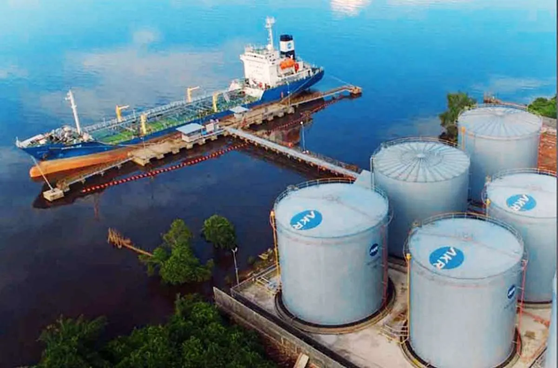
AKRA masih optimistis bisnis kimia akan tumbuh, terutama ditopang oleh meningkatnya aktivitas pasar dan pengoperasian smelter High Pressure Acid Leach (HPAL). Guna menangkap peluang tersebut, AKRA sudah meningkatkan kapasitas tank terminal di beberapa pelabuhan strategis, serta berencana menambah kapal untuk kegiatan pengiriman produk kimia.
“Dengan meningkatnya permintaan dari klien-klien kami, AKR memastikan jaringan dan infrastruktur logistik tetap kuat sehingga kualitas pengiriman dan produk terjaga dan sesuai dengan standar mutu,” tegas Suresh.
Investasi dan Peluang Ekspor
Di samping ketiga faktor di atas, Fajar mengungkap faktor keempat, yakni investasi dan ekspor sebagai penopang pertumbuhan industri kimia. Dalam hal ini, Fajar menyoroti peluang dari perang tarif antara AS dan China. Kondisi ini bisa menarik investasi perusahaan asal China untuk mendirikan pabrik di Indonesia.
Di sisi lain, Indonesia berpotensi mengisi pasar ekspor ke AS dengan tarif yang lebih kompetitif. Meski begitu, Fajar menenakan bahwa pelaku industri masih mencermati eskalasi geopolitik yang bergerak dinamis sejak awal tahun ini. Faktor geopolitik bisa berdampak ke harga dan pasokan bahan baku, biaya logistik, serta peluang dagang.
Pengusaha industri kimia khusus juga melirik potensi ekspansi di pasar global. Ridwan mengungkapkan, AIKKI menjajaki perluasan ekspor ke negara-negara maju dan berkembang di berbagai kawasan. Mencakup Amerika Utara dan Amerika Selatan, Timur Tengah, Asia Selatan, Asia Tenggara, Australia, Eropa, hingga ke Afrika.
“Dengan cakupan global yang luas ini, AIKKI menargetkan ekspansi ke pasar maju sekaligus memperkuat penetrasi di negara berkembang yang memiliki permintaan tinggi terhadap produk kimia khusus,” tandas Ridwan.
Chemical Industry Performance Poised for Recovery in 2026;
Here Are the Driving Factors
KONTAN.CO.ID – JAKARTA. The performance of the chemical industry has the potential to rise in 2026. Controls on imported products, growing domestic demand, and an influx of investment could boost the performance of both upstream and downstream chemical industries. Statistics Indonesia (BPS) recorded that the chemical, pharmaceutical, and traditional medicine industry grew by 8.35% in 2025. Although, in aggregate, it served as a key driver of growth within the manufacturing sector, the industry’s expansion last year was not uniform across all categories.
Fajar Budiono, Secretary General of the Indonesian Olefin, Aromatic, and Plastic Industry Association (Inaplas), revealed that the petrochemical and plastics industries faced pressure from a flood of imported products. Last year, production utilization rates remained stagnant at 70% in the upstream sector, while the downstream sector saw rates of only around 60%.
Fajar highlighted the surge of imports from China—particularly plastic raw materials and finished plastic goods—as a major challenge for the domestic industry. He noted that fierce competition with imports caused one company in the Polyethylene Terephthalate (PET) sector to halt production for nearly six months.
“Last year was quite difficult due to the high volume of imports; we were truly searching for strategies to survive. Utilization rates are already close to the economic break-even point, so if they drop any further, many companies could face closure,” Fajar said when contacted by Kontan.co.id on Monday (February 16, 2026).
Data from the Ministry of Industry shows that the import value of chemicals and chemical products reached US$ 25.27 billion between January and November 2025. During the same period, exports of chemicals and chemical products totaled US$ 20.79 billion. Fajar explained that export and import products in the chemical industry possess distinct characteristics. Last year, chemical industry players ramped up exports to the United States (US) and South Asia. Exporting served as a strategy to survive the influx of imported products in the domestic market while simultaneously capitalizing on opportunities arising from the tariff war between the US and China.
After navigating a challenging 2025, Inaplas views 2026 with greater optimism. Four factors could boost the chemical industry’s performance. First, regarding pricing, Fajar noted an improving trend in the spread between raw material costs and finished goods prices, potentially allowing industry players to secure better margins.
Second, the government has begun to tighten the flow of imports. Fajar highlighted efforts to safeguard the domestic industry—including the implementation of non-tariff barriers—which are expected to control the volume of products entering the domestic market. “This presents an opportunity to further optimize capacity utilization,” Fajar said.
Fajar hopes that the average production utilization rate in the upstream segment will move within the 75%–80% range, while the downstream segment could reach approximately 70% throughout the year.
Domestic Demand
Third is the growth of domestic demand. Fajar revealed that the momentum surrounding major holidays—such as Chinese New Year and the Ramadan-Eid al-Fitr period—helped boost industrial utilization early in the year. Additionally, the Free Nutritious Meal (MBG) program has contributed to increased demand within the packaging industry segment.
Meanwhile, chemical industry players are also eyeing opportunities stemming from the recovery of other manufacturing sub-sectors, particularly the textile industry. According to Fajar, the recovery in the textile industry will have a positive impact on domestic demand for chemical products.
Contacted separately, Ridwan Adipoetra, Chairman of the Indonesian Specialty Chemical Industry Association (AIKKI), shared a similar view. He projects growth for the specialty chemicals industry this year, driven by a rebound in downstream sectors and rising demand for value-added products.
Opportunities for import substitution are expanding, supported by the strengthening of Domestic Component Level (TKDN) requirements and government regulatory backing. “The industry’s successful development will hinge on the security of raw material supplies, the ability to provide technical services and application solutions to customers, and proximity to local clients to deliver value through specialized formulations and rapid response,” explained Ridwan.
PT AKR Corporindo Tbk (AKRA) is also targeting growth in the domestic market. AKRA Director and Corporate Secretary Suresh Vembu explained that the company’s basic chemicals trading business is dominated by caustic soda sales to various industries, including rayon, textiles, household chemicals, and smelters.
AKRA remains optimistic about growth in its chemicals business, underpinned primarily by rising market activity and the operation of High-Pressure Acid Leach (HPAL) smelters. To capitalize on these opportunities, AKRA has expanded tank terminal capacity at several strategic ports and plans to add vessels for chemical product shipments.
“With rising demand from our clients, AKR ensures that its logistics network and infrastructure remain robust, thereby maintaining the quality of both deliveries and products in accordance with quality standards,” Suresh emphasized.
Investment and Export Opportunities
In addition to the three factors mentioned above, Fajar highlighted a fourth factor—investment and exports—as a driver of growth for the chemical industry. Specifically, he pointed to opportunities arising from the tariff war between the US and China. This situation could attract Chinese companies to invest in establishing manufacturing plants in Indonesia.
At the same time, Indonesia has the potential to supply the US export market at more competitive rates. Nevertheless, Fajar emphasized that industry players are closely monitoring the rapidly evolving geopolitical situation that has unfolded since the beginning of the year. Geopolitical factors could impact raw material prices and supplies, logistics costs, and trade opportunities.
Specialty chemical industry players are also eyeing expansion opportunities in the global market. Ridwan revealed that AIKKI is exploring export expansion to both developed and developing nations across various regions, including North and South America, the Middle East, South Asia, Southeast Asia, Australia, Europe, and Africa.
“With this extensive global reach, AIKKI aims to expand into developed markets while simultaneously strengthening its penetration in developing countries where there is high demand for specialty chemical products,” Ridwan asserted.